Category: Websites

  • Website Maintenance – Its Important!

    Website Maintenance – Its Important!

    If you have had a website built for your business, then the likelihood of discussing an ongoing website maintenance package for your website is high. If you haven’t discussed ongoing maintenance following the build of your website, then this is something you probably should be asking your website designer about.

    Here at Social+, we build, design and maintain WordPress websites. But no matter which platform your website’s built on, there will be maintenance needed as time goes on.

     But why is important to have plans in place for maintenance following your initial website build? Think of your website like your car, if you don’t maintain it, it could break down!

    Website Maintenance keeps your site running as fast as it should be.

    Research into website speed has shown that 70% of consumers are put off by a company whose website load time is slow. So that is 70% of potential clients or customers who would go and use a competitor’s service. All because your website load time is too slow. Outdated plugins on your website can make the load time slower than it should be. With website maintenance, there should be an expectation that one of the basic tasks that carried out is plugin updates. Following plugin updates should always be functionality checks. This should be performed monthly although here at Social+, this is a task that we would carry out weekly.

    With outdated plugins comes security vulnerabilities

    Plugin updates often contact security patches and updates which make your website stronger and protected against cyber attacks. Most websites store cookies. If you also collect customer data, security vulnerabilities put your company at risk of GDPR breaches.

    Improves the visitor experience

    There is no greater frustration than thinking you have found the product/service/information that you have been looking for. Only to be met with dead links and slow page loading times. If this is your website, then you are not only hurting your visitor experience but also potentially your business reputation too. Website visitors are way more likely to stay on your web pages, make enquiries about your business or potentially make a purchase if they’re met with a website which is clear, concise and contains up-to-date information about the service they are looking for.

    Boost your site traffic

    Every time your website is searched and indexed by search engines they report new content, new links and new information. If search engines find new content on your website on every crawl, they are more likely to crawl regularly. Everytime they crawl and find new content they re-index your website. The more content and keywords that your website is indexed for, the more likely you are to appear in search results. Thus boosting your site traffic.

    Running an eCommerce site?

    Ideally, when you have had your website built, the designer will have walked you through processes. Process like adding new products as you refresh your stock. This does not always happen though and what happens when seasons change and with it so does your stock? Good website maintenance should have a clause in place which allows new products to be added. And old products to be archived.

    Monitoring and tracking your website analytics?

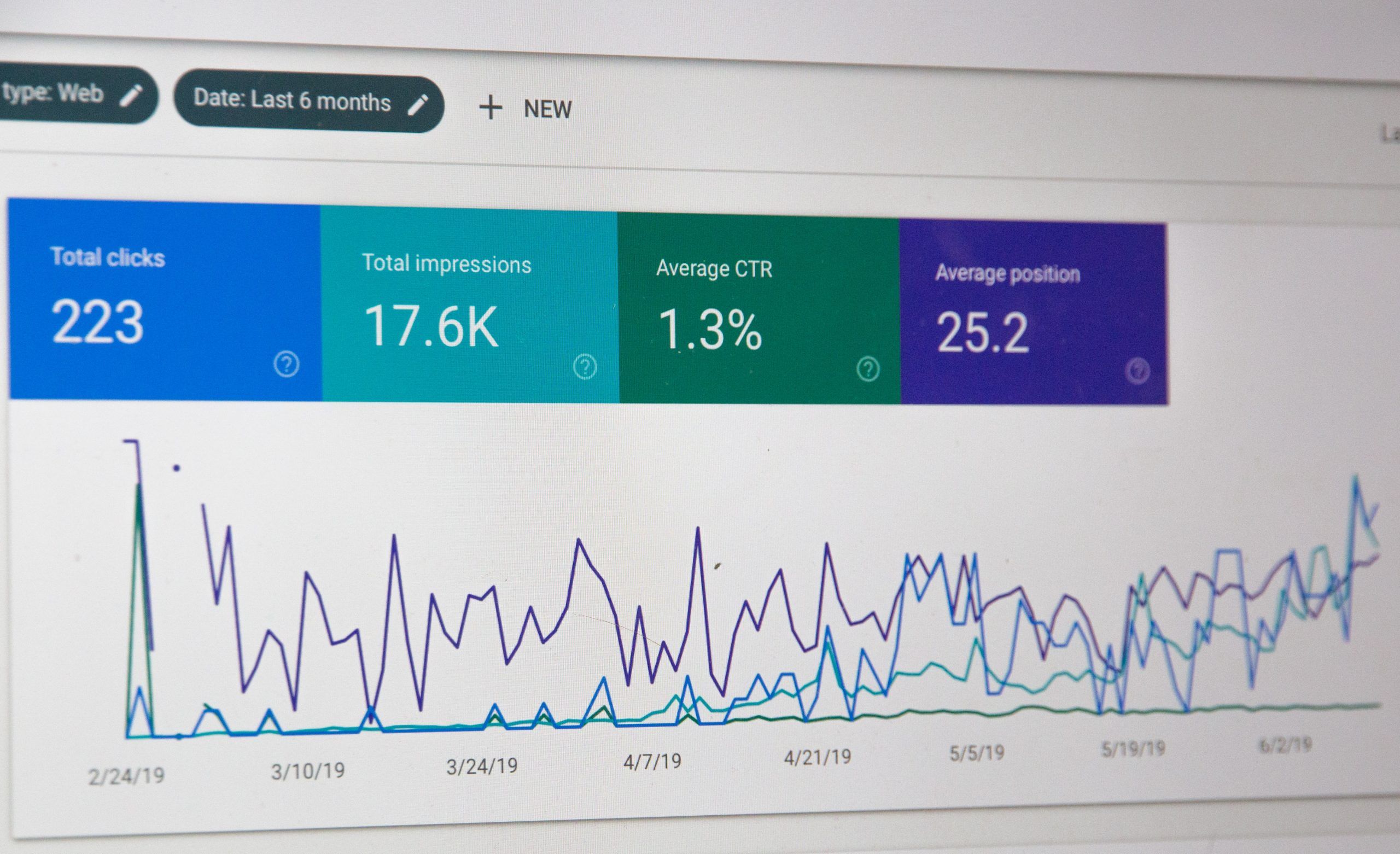
    Google Analytics is an incredible tool. It is great for looking to see how many visitors your website gets in a month. As well as tracking their progress throughout the website and where it is they came from. But to an untrained eye, it can be hard to interpret the data. Website Maintenance from Social+ always includes a monthly report from experts who are certified in the interpretation of Google Analytics. Our reports pick out the important bits of information that our clients want to know. Without overloading you with jargon and parts irrelevant to your website or business goals. Reports from Social+ include a rundown on what has worked well on your site and what could be improved. As well as recommendations for future-proofing your site.

    That all sounds easy enough right?

    Some of us are tech-savvy. So for these people, it’s not all that daunting to log into the website at the back end and make all of the changes that you need to do. But it can be time-consuming. If it’s not part of your day-to-day it’s easy to forget about until something goes wrong. By that time you may need the help of a professional. Which is going to take even more of your time explaining the issues and then money to pay for solutions. Having a website maintenance package in place ensures that website functionality issues are taken care of before they become a problem and should be included in the price you pay.

    For those who are not at all tech-savvy, it is just peace of mind. Knowing that someone else is watching over your website for you. So that you can get back to working without a technological headache.

    If you would like to know more about the website maintenance and enhanced SEO packages offered by Social+, just get in touch by emailing hello@social-plus.media, calling 0191 466 1550 or by messaging us on Facebook, Instagram or LinkedIn
  • Keep it together: why your social media should align with your website

    Keep it together: why your social media should align with your website

    So, you’ve established your business, you have a website, and now you’re thinking about entering the world of social media.

    But there’s one big question that remains – where do I start?

    When it comes to social media, the possibilities are endless.

    The social space can be quite a daunting place if you’re new to it.

    It helps to imagine your website as your storefront. This is the place where potential clients or customers can see what you have to offer and make purchases.

    On the other hand, you have your social media presence which is used to promote your business and reach new potential customers.

    Social media platforms, like Facebook, Instagram, Twitter, LinkedIn, and now Tiktok, allow you to create engaging content to build connections and create brand awareness.

    We can see why you’d think these two components serve different functions. However, like any dynamic duo, they work better together.

    One of the most effective ways to market your business is to align your digital components and tie them all together.

    Integrating your social media with your website has multiple benefits and below you’ll find just a few.

    Build a consistent brand identity

    When it comes to building a brand, consistency is key. Although your website and social media serve different purposes, they should ultimately promote the same message.

    Are you a brand that promotes a serious service? Or are you more on the fun side? Both your website and social media should distinguish who you are and what you stand for.

    Linking these two components will help to achieve a consistent brand identity and this is how you will be known to your audience.

    Improve your SEO

    Under the digital marketing umbrella, we always hear the term ‘SEO’ being thrown around. But what does SEO stand for and how can it benefit your business?

    SEO is an abbreviation for Search Engine Optimisation and this is the optimisation of your website for search engines. Your SEO will determine your position in search engine rankings which is how your customers will find your business.

    Search engines like Google frequently change their algorithms. However, including links to your social media will increase the opportunity to add keywords and meet other criteria that is needed to increase website traffic.

    Additionally, you can leave links in your social media posts to direct traffic back to your website. This also positions your brand in front of new potential audiences as social media allows you to reach people who may not have heard of you before.  

    Build a sense of community

    Some of the most successful businesses make their customers feel like they are part of a community. They do this by creating conversations with their content and making their audience feel valued.

    Creating engaging content will make your audience more likely to interact with it. From here you can engage with your audience and show you are a brand that cares about its customers.

    This works best if you avoid using your social media for hard-selling and instead use it as a tool to communicate with your audience.

    Social media is also a great way to keep your customers informed on special offers, new products, and events.

    Authenticity and building trust

    It’s easy to promise the world but does your brand achieve what it sets out to do?

    A brand that has a strong narrative and puts out meaningful content is likely to get more conversions.

    A brand that feels authentic to its audience is more likely to build trust and gain customer retention.

    This can be achieved by a website that is both transparent and meaningful. It helps when your social media aligns with this as this is the space in which you can outline who you are as a brand and demonstrate your values.

    Create a distinctive online presence

    When people search online for a product or service, they are met with tons of options. So, what makes your business stand out and sets you aside from your competitors?

    When searching for a product and service, customers tend to go for the most reliable source. Social media is the best place to build your brand identity and demonstrate you are trustworthy.

    You can use your social media to reflect the information that is on your website but also to create a niche for your brand.

    Your social media is unique to your business and is the place to create lasting impressions about who you are as a business.

    Are you a small business that could use some help with digital marketing?

    Here at Social Plus, we believe having a strong online presence is so important, but what is more important is how you use it.

    We work with our clients to create the best strategy for their business from choosing the right platforms to be on, creating engaging content for your audience, and finding your people.

    Why not peek at our socials and drop us a comment on Instagram – @socialplusne

    Keep an eye out in our newsroom for more blogs like this one.

    Alternatively, visit our website for more information!

  • Lloyd vs. Google: Have you got your Cookie Policy?

    Lloyd vs. Google: Have you got your Cookie Policy?

    Google are currently under the microscope; this is because Richard Lloyd has made a legal claim against Google in relation to the ‘Safari Workaround’.

    The Safari Workaround allowed Google to bypass default privacy settings in iPhones, allowing Google to track browser-generated information to sell for advertising purposes.

    The facts of the case are as follows:

    “The respondent (Lloyd) has issued a claim alleging that the appellant (‘Google’) has breached its duties as a data controller under the DPA to over 4m Apple iPhone users during a period of some months in 2011- 2012, when Google was able to collect and use their browser generated information. The respondent sued on his own behalf and on behalf of a class of other residents in England and Wales whose data was collected in this way. He applied for permission to serve the claim out of the jurisdiction. Google opposed the application on the grounds that (i) the pleaded facts did not disclose any basis for claiming compensation under the DPA and (ii) the court should not in any event permit the claim to continue as a representative action.“

    The on-going legal battle has highlighted the importance of GDPR and Cookie policies on the internet.

    Meaning that if you’re a business owner, this is case is something you should be aware of and comply accordingly.

    As a business owner, you are responsible for the data that you collect, store, and use when your website is visited.

    Your website should have a Privacy Policy and a Cookie Policy which explains what details are collected and where they are stored.

    Users should have the option to accept or decline your Cookie Policy when entering your website.

    The Cookie Policy should also contain information on how users can opt out of cookies or change their cookie settings.

    You must check that you are compliant with the current GDPR/DPA 2018 guidelines.

    A Cookie Policy deals with the use of cookies on your site, where as a Privacy Policy is a general document regarding all the data processes on your website.

    Privacy and Cookie policies are mandatory, if you do not have one of the policies on your website you can refer directly to the ICO to amend this.

    If this is something you are struggling with, or if further information is required, here at Social+, we can help ensure that your website is fully compliant with these guidelines.

    We offer website maintenance as part of our services and would be more than happy to take you through the requirements step by step.

    If this is something that you would want to hear more about give us a call on 0191 466 1050 or email us on hello@social-plus.media.

  • What is SEO?

    What is SEO?

    Search Engine Optimisation – The Basics!

    SEO or Search Engine Optimisation is optimising your website to make them appear in a higher position in organic search results. Organic search results are relating to results which have not been sponsored. There isn’t an advertising budget behind them to make them rank higher. Search Engines, much like social media platforms, use an algorithm to determine how high up they appear in the organic search results.

    Search Engines

    It should come as a surprise to nobody that the top search engine is Google, with a reported market share of 90% across the globe. But there are other search engines out there to consider when optimising your website. Search engines like Bing, Yahoo and privacy-orientated search engines like Duckduckgo.

    How do Search Engines work?

    Search engines follow links on the web using crawlers (or spiders or bots – the term differs depending on who you speak to). These crawlers trawl the internet 24 hours per day, 7 days per week exploring the internet for content (text, news, images and the likes). Every time the crawler comes across a website, it saves a HTML version of the website into its index (a gigantic library or database of websites). This index is changed and updated every time something changes on your website. So the more content that is added or changed, the more often the crawler will visit your site and make updates to its index.

    What is the algorithm?

    As with social media platform algorithms, its ever changing and ever evolving. But decades of research and experiences in SEO algorithm has shown that there are two main categories the SEO algorithm looks at.

    • On Page Factors. On Page Factors looks at your website structure, the content, readability of your text, accessibility, technical factors such as caching, compression and speed.
    • Off Page Factors. Off Page Factors are your backlinks (links from other websites) and the quality of these links. Social Media attention and sharing and other marketing efforts which take place independently from your website.

    Does SEO have a place in your digital marketing strategy?

    The short answer to this question is yes! SEO algorithms depend on social sharing and traffic from social media platforms as part of the off page factors mentioned above. Creating digital content such as blogs, creating new products to sell, adding new information and pages to your website, not only gives your website fresh new and original content to be indexed by the crawlers of big search engines. It can also provide you with lots of quality content to share with social media followers. In our opinion, feeding SEO into your digital marketing strategy is a win-win!

    What are the top tips for creating an organic SEO strategy?

    Creating a strategy for your SEO is treating your SEO as a long term goal – as it should be. Short term wins might be tempting, but search engine crawlers are intelligent little bots who are wise to those short fixes such as keyword stuffing (the filling of pages with unrelated keywords) and the process of buying backlinks. While they might get you onto the first page of Google initially, your website will be pushed down the rankings for this and once they do this, finding your way back up is even harder

    But instead of focusing on the don’ts, here are the do’s.

    1. Create an amazing website. An amazing website is a website which has been created with the user in mind. By putting yourself in the shoes of the person you want to actually see your website, you can make sure that the style, design and content is both interesting and engaging.
    2. Research Keywords – Keywords don’t strictly have to be a word. They can be a phrase too. The person looking to learn more about SEO is more likely to search for ‘What is SEO?’ than just SEO. So the more specific the phrase, the more likely you are to rank.
    3. Create good technical search engine optimisation but ensuring that your site is well structured and links can be easily followed throughout your website.
    4. User Experience – Typically, website users like a simple website structure which has easy to find information. Its easy to navigate from page to page. Overcomplicated websites make users switch off and often into the site of your competitors.
    5. Write Quality Content – Use your website to educate users, ensure it answers their questions in a non complicated way. Focus on how easy your content is to read and remember, not everyone will read every single word. Some people will skim over the content and so they need to be able to take something away from what you have taken time to write. Ensure that there are internal links and high quality and relevant external links in your text. If you are in a position to – hire a professional copywriter. These guys are experts at writing quality content designed for website users.
    6. Social Media Strategy – this is a big one. Creating a buzz on social media will drive people to want to learn more about you and your business. Where are people going to go to learn more about you and your business? Your website! The more traffic you receive to your website, the more important the crawlers will think your website is, and will be more likely to show it to others searching for similar things. Building a community of like minded businesses which are complementary to yours is also important. See Point 9 for more information.
    7. Mobile Optimisation – As the way in which we access the internet evolves, smartphones are more in use for web browsing than ever before. So if your website doesn’t display correctly in mobile view, users will go to a website which will. Your mobile version of your website is now as important, if not more important than the desktop version!
    8. Security – Do you have the trusty little padlock? Is your SSL certificate up to date? Do you have a privacy policy? As people become more aware of scams and more vigilant of card fraud and identity theft, ensuring that you provide a secure environment for your website users should be the most important thing you do. People will only buy from businesses they trust.
    9. Accessibility – Is your website accessible to all? Could a blind person use a screen reader to navigate your website easily? Do your images have alt tags which explain to those users what the image is and what the purpose of the image is?
    10. Improve your site speed – ensure you have an efficient caching policy, your images are compressed and that any JavaScript loads after your page content.
    11. Build a community with other complementary businesses who can provide you with high quality and more importantly, extremely relevant links for your website.
    Mobile Responsiveness is key for SEO

    Sustainable SEO is key to ensuring that your website content ranks without you needing to pay for sponsored posts. We create websites for clients with SEO in mind as a starting point, with the option of maintaining their website, content and SEO on a monthly basis afterwards. If you would like to know more about our website design options or you have a website already that you need some help with – get in touch. We’d love to learn more about you, your business and your goals for the future!

  • Questions to ask before hiring a Web Designer!

    Questions to ask before hiring a Web Designer!

    Finding the right web designer for your business can sometimes feel like finding a needle in a haystack. There are so many factors in choosing your web designer from price to their portfolio, however knowing what to ask when having your website designed is something that many businesses struggle with. Here at Social+, we have taken over the maintenance of many websites where businesses have had issues with things they never knew to ask about!

    1. How much time will the web designer spend with me initially planning the design of my website before proceeding?

    Will your website designer spend time with you looking at websites? Will they look to incorporate elements you like into your own purpose built website theme? Will your web designer check with you that you are happy with the initial design of your site before proceeding with the build and probably most importantly, will your website designer check in with you mid build to show you what work has been completed and ensure that the design and functionality is to your requirements?

    2. Will my website come with a fully installed SSL Certificate?

    Security is a huge concern for businesses, clients and customers alike and people are less likely to do anything on your website if your do not have that secure padlock in the address bar. Will your web designer source and install your SSL certificate on your website before handing it over to you?

    3. What about a domain name?

    If you already have a domain name, the likelihood is that you own the domain name and will continue to do so – or so you should! If you do not already have a domain name, will your web designer assist you in sourcing this and if they do who owns it?

    4. Where is my website going to be hosted?

    Web Hosting is important – without it, your website is just a collection of well designed files! Where will your website be hosted? Will the hosting be on a shared platform with millions of other websites and will you have access to your website hosting’s CPanel after they have handed the website back over to you?

    5. Will I get any Website Maintenance after the initial build?

    Sometimes when you receive a final product, there may be things that you are not 100% happy with. Will your web designer maintain your website after its been handed over to you? Will there be someone logging into the website and updating plugins?

    6. What about Copy Writing?

    Sometimes businesses have all of the information written word for word for each page of their new website which for a web designer is great! However sometimes – finding the right words to make your website as accessible and user friendly as possible is tricky. Do they have a trusted professional copywriter they can call upon to help you with this or are you expected to find your own?

    7. Privacy and Data Security?

    GDPR – its still mind-boggling to the best of us! But its written into EU and UK law! Its not going anywhere! Websites need privacy policies and statements to tell users how their data will be used. Analytics software and cookies are a big part of GDPR so do not be fooled if someone tells you that a privacy policy isn’t necessary. Does your web designer work alongside a specialist in Data Privacy who can write a personalised privacy policy for your business or again, are you expected to source this yourself?

    8. What about linking up with Social Media?

    A huge part of Search Engine Optimisation (SEO) is Social Media. Do all of your social media business accounts link to your website correctly and does your website link to your social media accounts correctly with Schema and Open Graph Protocol set up correctly? Audits we carry out on websites usually show that there are issues with Social Media account linking, so it is always worth checking that your web designer has factored this in!

    9. Will you set up my Search Engine Optimisation?

    Probably the second most important one on this list of things to talk about. We always say to website clients, there is absolutely no point in being online if your presence is unknown, if you can’t be found! SEO is an area which needs to be set up and maintained properly for it to be effective and you need to ask your web designer if they can set up your SEO initially and what the costs are to maintain it!

    10. Are there any hidden costs?

    This is the big one. We have had so many conversations with business owners where they have paid a large sum of money (sometimes running into thousands of pounds) for a website they are not 100% happy with. Only to find out after paying the initial upfront costs, that there is a cost to purchase an SSL certificate, there is a hosting fee, they have nobody to turn to for maintenance unless they pay an hourly rate. In addition to this they have been told that they will need to pay an additional large sum of money for their SEO Set up. The reason that the majority of business owners outsource a web designer is because they do not know how to do it themselves or have no desire to want to do it themselves. This can be exploited at times and the hidden costs can sometimes add up to as much as the cost of the initial website design.

    So why are Social+ different?

    We approach every website in exactly the same way – we answer all of the above questions without being asked them! We break down our quotes and lay out all of the costs upfront so that you, as a business owner, can choose which parts you want and which parts you don’t. These costs are not inflated if you choose to add them at a later date either! If we quote you for web maintenance and you decide within 6 months of the website going live that you wanted it, you’d pay what we quoted initially.

    If you would like more information or to discuss a website project with us, just send us a message on our Contact Us page